Choosing Singlehood: Why More People Are Building Fulfilling Lives Outside of Relationships


As a couples therapist, Licensed Marriage and Family Therapist for 13 years, and Certified Sex Therapist, I’ve seen a meaningful shift in how people think about relationships and singlehood.
For many people, being single is no longer something that happens because they are lonely, unlucky in love, or waiting for the “right person.” It can be an intentional choice.
Younger generations, as well as many people coming out of marriages or long-term relationships, are questioning the traditional script: find a partner, get married, have children, and build your life around a nuclear family. Greater gender equality, education, financial independence, and exposure to different ways of living have made it easier to imagine other possibilities.
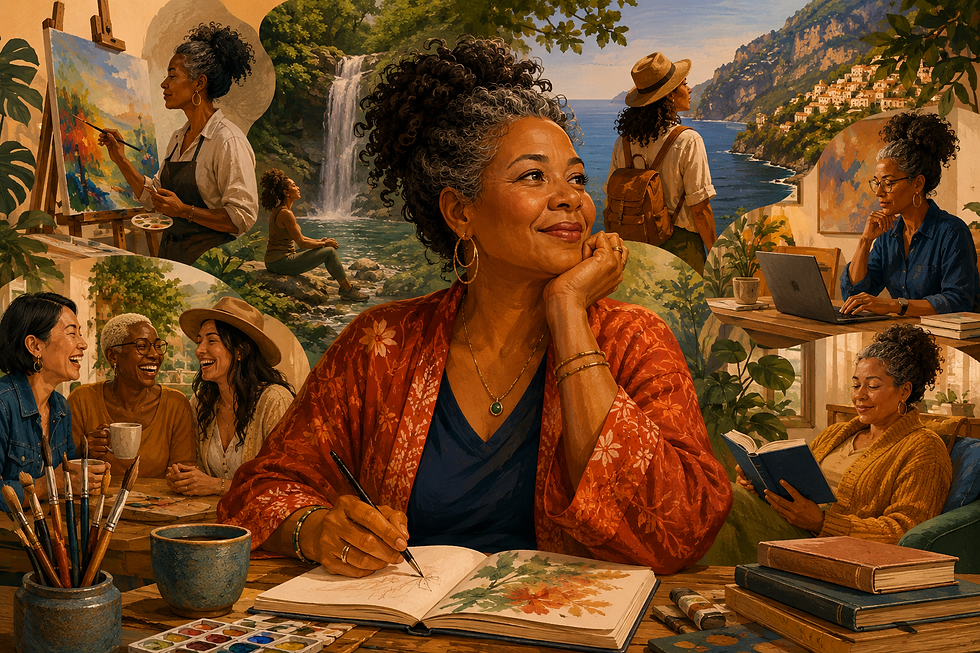
People are building deeply fulfilling lives through meaningful work, friendships, hobbies, travel, community, and personal growth. They’re also seeing more examples in media of people who are single, queer, child-free, divorced, or otherwise living outside of traditional heteronormative expectations and doing just fine.
For women in particular, the equation has changed dramatically. Historically, marriage wasn't simply about love. Economic and social barriers made marriage necessary for many women’s survival and security. Today, more women can support themselves financially and are less constrained by the social stigma of being unmarried.
That freedom also allows women to ask harder questions about what a relationship actually adds to their lives. Heterosexual relationships can still involve unequal domestic and emotional labor, and partnership isn't automatically healthier or happier simply because someone has one.
More people are also questioning the fairy tale that happiness comes from hitting the “right” social milestones. Instead, they have the freedom to ask: What actually makes my day-to-day life fulfilling? What matters to me beyond what I can do for other people or the role I play in someone else’s life?
Choosing singlehood doesn’t have to mean giving up on love. Sometimes it means expanding our definition of what a loving, connected, meaningful life can look like.


Comments