"Do I Want to Spend the Next 20 Years Like This?" The Question Behind Gray Divorce


I am a Licensed Marriage and Family Therapist and couples therapist who has been licensed for over 13 years. One of the questions I see women in their 50s and 60s asking is an important one: “Do I want to spend the next 20 or 30 years like this?”
By this stage of life, many women have raised children, built careers, cared for families, and moved through many of the milestones that once shaped their decisions. There can be a growing awareness that time is not unlimited, and a desire to think seriously about what they want the next chapter of their lives to look like.
Earlier in a marriage, it can be easier to rationalize unhappiness by thinking, “When we get through this, things will get better.” When the kids are older. When work settles down. When finances improve. When life becomes less stressful. But eventually, some of those milestones pass. Children and careers may no longer be as central, and health and longevity are never guaranteed.
That can change the question from “How do I make this marriage last?” to “Does this relationship still work for the people we have become?”
I don’t necessarily see divorce as evidence that a relationship failed. Sometimes a relationship worked for a particular stage of life but no longer meets the needs of either or both people in the next one.
There is also a much larger cultural shift happening. Women in their 50s and 60s are only a generation removed from a time when women faced significant barriers to higher education, credit, mortgages, financial independence, and legal protections within marriage. Today, women have far greater opportunities to support themselves, build meaningful careers, cultivate friendships and interests, and create fulfilling lives outside of marriage.
Women no longer need marriage in the same way previous generations often did for financial or social survival. That changes what people expect from marriage.
Marriage is increasingly expected to provide not only stability and family, but emotional connection, companionship, intimacy, shared growth, and fulfillment. At the same time, our culture has shifted away from valuing women primarily through the roles of wife, mother, caregiver, and helper. Women may begin asking what they want when their lives are no longer organized almost entirely around taking care of other people.
Sometimes a health scare, the death of a friend, or simply getting older makes that question feel much more urgent.
One of the biggest patterns I see leading to later-life divorce is emotional distance. People grow apart, or they simply don’t grow together. One person may want change, adventure, intimacy, or a different lifestyle while the other is comfortable with things remaining as they are. Sometimes both partners develop independent lives and eventually realize they want very different things.
Then comes the difficult question: Would we both be happier living separately, or eventually finding relationships that better fit who we are now?
Of course, divorce in your 50s and 60s can also bring tremendous challenges. Financial security may change dramatically. There can be grief about the future someone thought they would have, sadness about the years invested in the relationship, and sometimes the painful thought, “Should I have done this sooner?”
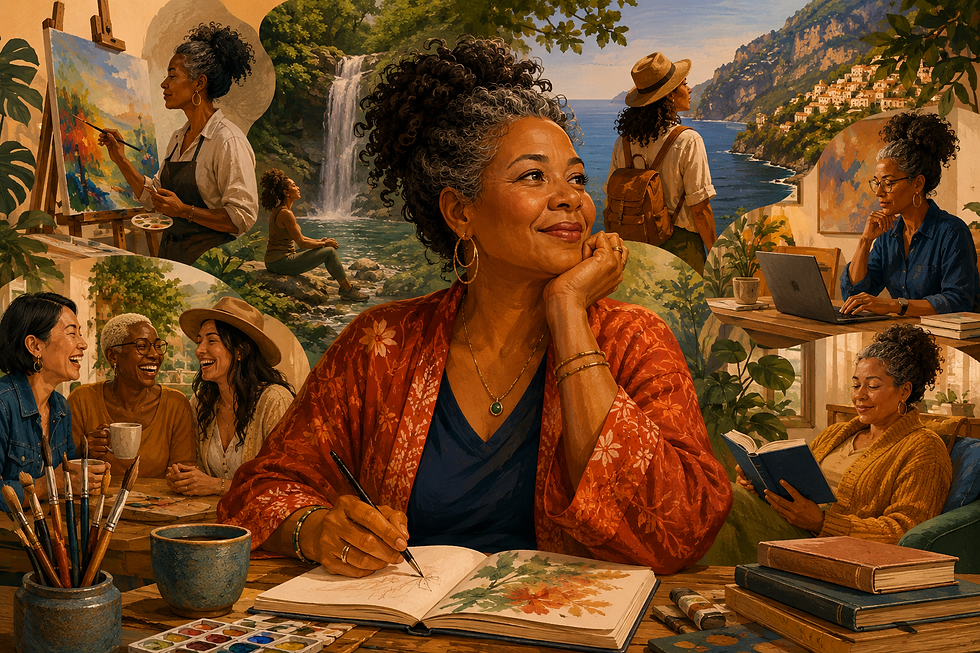
But alongside that grief can also be a profound sense of possibility. People may discover the freedom to spend their time differently, create a home that feels like their own, pursue interests they had put aside, deepen friendships, or eventually experience relationships in entirely new ways.
One of the potential gifts of moving through any major life transition is discovering what you truly value. Difficult experiences can reveal new levels of confidence and resilience. They can also force us to examine behaviors, beliefs, relationships, and expectations that may have served us at one point in our lives but no longer do.
Deciding whether to stay in a long-term marriage is deeply personal, and there is no single question that can make that decision for someone. But there are some questions worth considering:
Do I like the way I think, feel, and behave in this relationship?
Does this relationship support the person I want to become and the life I want to build?
Are there things I have become complacent about that I could genuinely work on?
Am I taking responsibility for my own role, asking clearly for what I need, and making the changes that are within my control?
Is my partner willing and able to create space for both of us to grow?
A relationship does not have to be abusive or obviously dysfunctional for someone to question whether it should continue. And a marriage does not have to look traditionally romantic for two people to decide that staying together still works for them.
Ultimately, the question is not whether every difficult marriage should end. It is whether two people can continue creating a life together that feels meaningful enough to both of them. Sometimes that means rebuilding the relationship. Sometimes it means accepting that the relationship has reached its end.


Comments